Booking choice: The Golden Temple walk, ★ 4.9 (29). Check dates Compare the options below
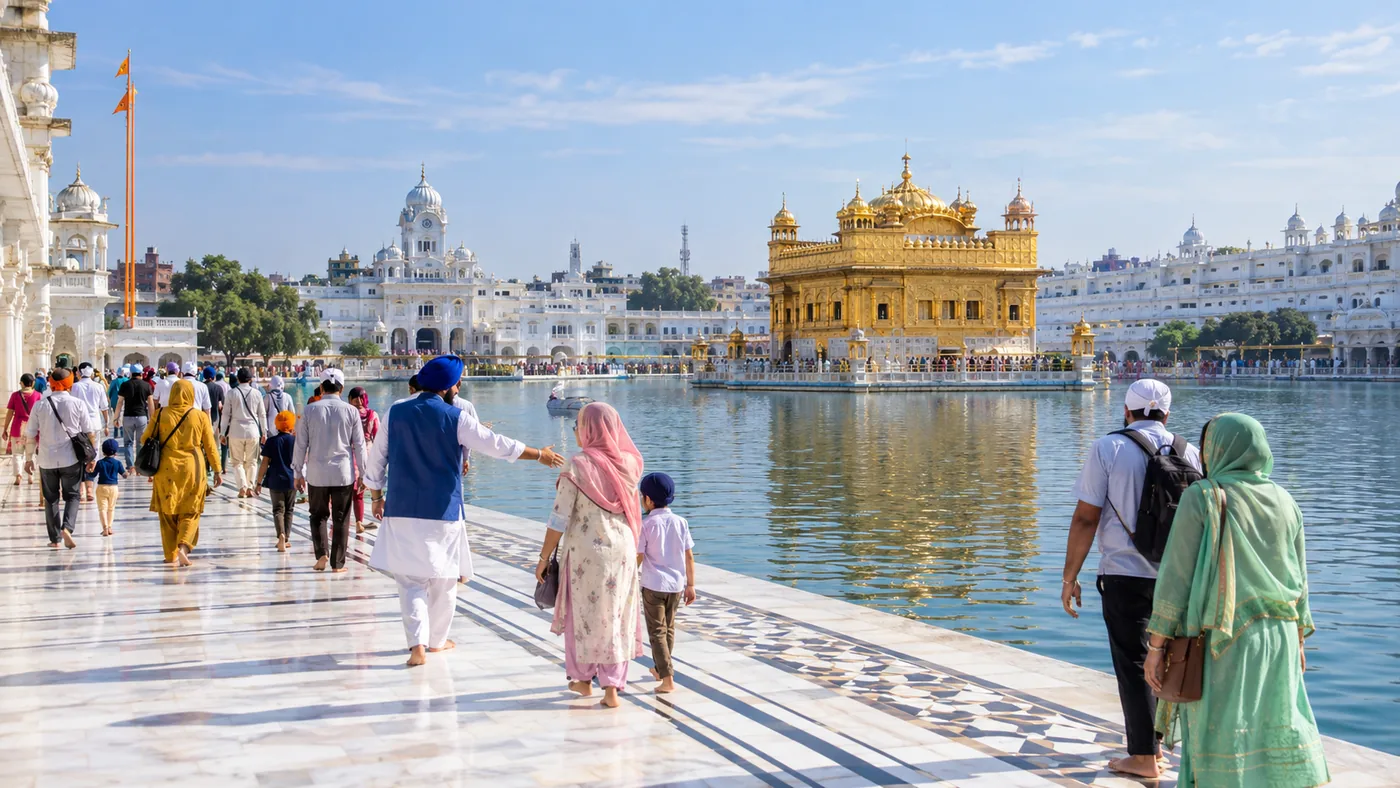
More than 100,000 people visit the Golden Temple on a typical day, and it feels like a place built for that. People queue patiently, sit on the marble to listen to the kirtan (hymns), and share the rows in the langar. Sewadars keep the queues moving, look after shoes, serve food and answer questions, and the SGPC parikrama task force patrols the walkway around the pool. The complex never closes, so there is no quiet, empty hour when it feels deserted.
This guide covers what foreign travel advice says about Amritsar and the border, the practical risks inside the complex and on the streets around it, advice for women, families and solo travellers, visiting at night, and how to book a room without being cheated. What to wear and how to behave are covered in the rules and dress code.
The quick answer
The Golden Temple is safe, calm and staffed day and night. The UK and US governments advise against travel within 10 km of the India-Pakistan border; the temple is about 28 km away and outside that zone, but the Attari-Wagah border ceremony and Pul Kanjari are inside it, so check your own government's advice and your travel insurance before booking a day that includes the border. Inside the complex, the real risks are ordinary: dense crowds in the sanctum queue, hot marble on summer afternoons, slippery marble near the pool, and losing sight of children or your shoe token. Keep valuables small and in front of you, visit at cooler hours, and book pilgrim guest-house rooms only through SGPC's own website.
Is it safe to visit the Golden Temple now?
Yes. The temple is open as normal, busy and calm, with sewadars and an SGPC task force on duty around the clock. Most visitors' problems are practical: heat, crowds and slippery marble, not crime or unrest.
The walkway around the pool is lit through the night, and the langar serves meals at every hour, so there are always people around you. In 2024 SGPC also announced a larger parikrama task force, the staff who patrol the walkway and keep order. Sewadars guide the queues and are the people to ask if something goes wrong. The table sums up the common worries and what to do about each.
| Concern | Reality | What to do |
|---|---|---|
| Crowds in the sanctum queue | Dense but orderly; sewadars manage the line on the causeway | Go before dawn or late in the evening; keep children close |
| Pickpockets | Possible, as in any big crowd: the queues, Heritage Street and the border grandstand | A small bag worn in front, phone in a zipped pocket |
| Hot marble | On summer afternoons the stone burns bare feet | Walk on the jute mats; visit early or after dark |
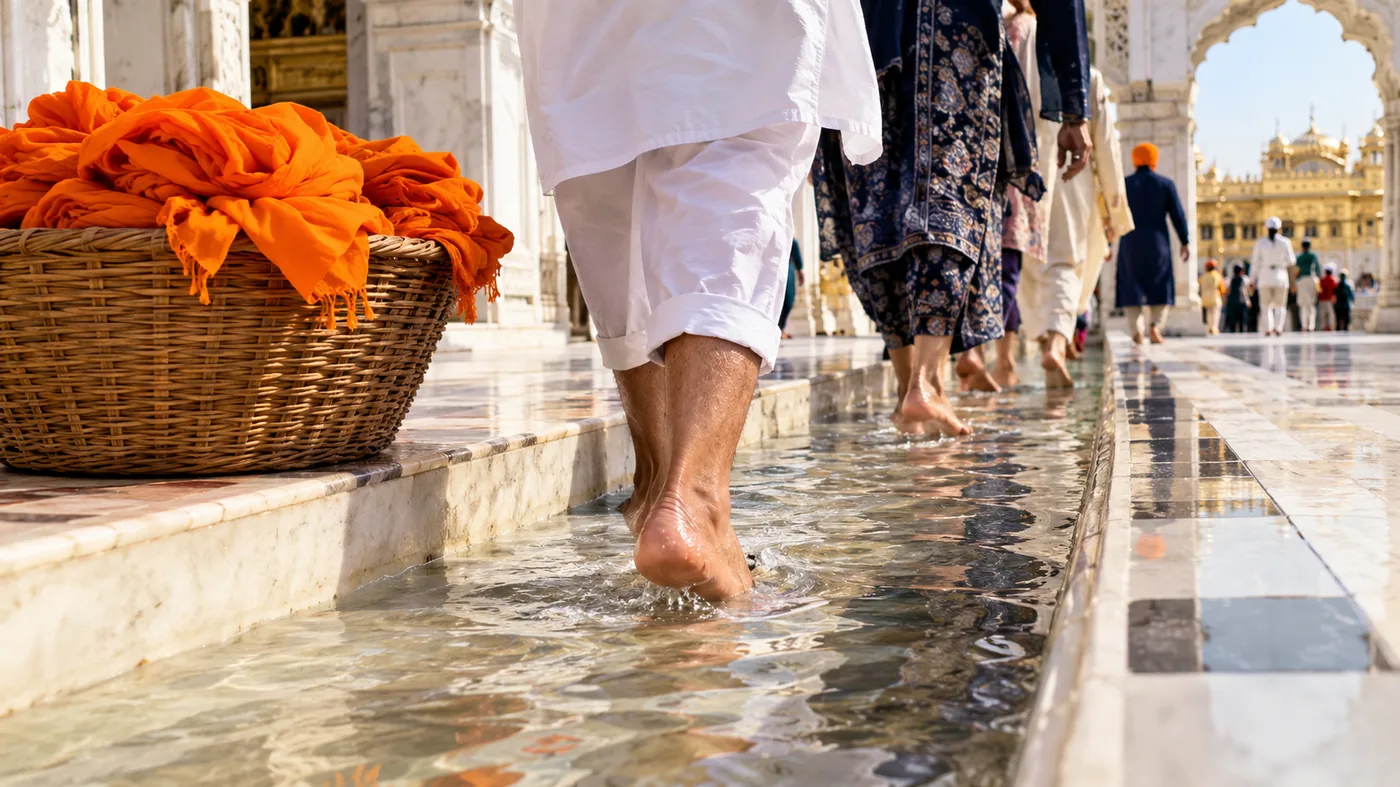
| Wet marble | Slippery near the pool, on the steps and at the foot-wash channels | Walk slowly and hold the rail on steps |
| Visiting at night | The complex is lit, busy and staffed at every hour | Arrange your ride back or stay close by |
| Room offers from strangers | SGPC books its guest-house rooms only online | Book only at sgpcsarai.com |
| The border advisory | UK and US advice covers the 10 km strip; the temple is outside it | Check your advice and insurance before a Wagah day |
| Losing your shoes | Volunteers at the joda ghar keep them against a token | Keep the token and note which entrance you used |
What does the UK and US travel advice say about Amritsar?
Both governments advise against travel within 10 km of the India-Pakistan border. The Golden Temple and central Amritsar are about 28 km from the border and outside that zone. The Attari-Wagah ceremony and Pul Kanjari are inside it.
The UK Foreign, Commonwealth and Development Office advises against all travel within 10 km of the border and notes that the Wagah-Attari crossing is closed to travellers; this advice was last updated on 9 July 2026 and was still current at the end of September 2026. The US State Department rates India at Level 2, 'exercise increased caution', and also says not to travel within 10 km of the border. Read the current version yourself: UK travel advice for India and the US advisory for India. Other countries publish their own advice.
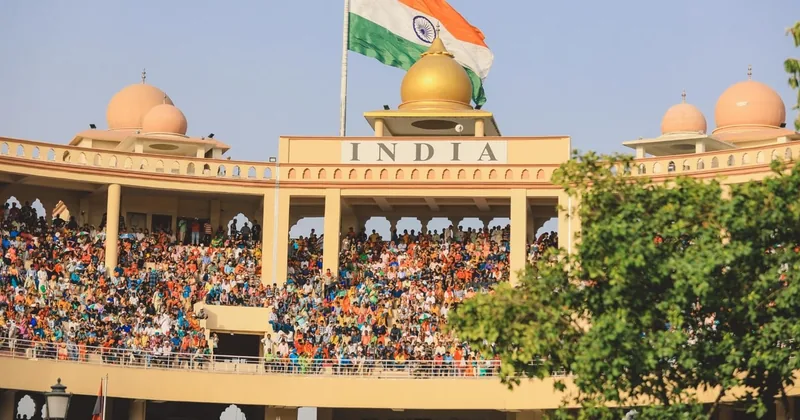
What this means in practice: a visit to the temple, Jallianwala Bagh, the Partition Museum and the old city is outside the advisory zone. The evening flag-lowering ceremony at Attari, about 28 km from the temple, is inside it, and so is Pul Kanjari, a historic rest stop about 35 km away. Travelling against your government's advice can invalidate your travel insurance. If you are a UK or US traveller, or your insurer follows similar advice, check before you book a day tour that ends at the border. Indian travellers are not affected by these foreign advisories, but the same practical points about crowds and heat apply.
How do you stay safe in the crowds?
Keep valuables small and in front of you, stay together, and avoid the densest hours. The crowd is peaceful, but it is packed in the sanctum queue, on Heritage Street in the evening and in the border grandstand.
- Carry little: a small bag worn in front, some cash in an inside pocket, your phone zipped away. Keep your passport in the hotel safe unless you are going to the border ceremony.
- The sanctum queue: the line on the causeway is slow and close, often two hours or more on a normal day and longer on Sundays and festivals. If you dislike tight crowds, visit before dawn, or skip the sanctum and walk around the pool instead.
- Your shoe token: hand your shoes to the volunteers at the joda ghar and keep the token. There are counters at several entrances, so remember which one you used.
- A meeting point: agree on one before you go in, such as the shoe counter where you left your shoes, in case you get separated.
- Festival days: on dates like Bandi Chhor Divas the crowd is several times larger. Go with a plan, or choose another day for a first visit.
Queue patterns by hour and day are in how long a visit takes, and the festival dates are in the best time to visit.
Two hours on foot with a storyteller who knows the crowd and the complex: the pool, the Akal Takht, the langar kitchen behind the scenes and Jallianwala Bagh.
Check dates for the Golden Temple walkWhat about the heat, the hot marble and the pool?
In summer the heat is the main risk. From April to June the average highs are 34 to 39 °C, and bare feet on sunlit marble can hurt. Near the pool and the entrances the marble is often wet and slippery.
- Hot marble: SGPC lays layered jute mats along the walkway in summer; walk on them. Between late morning and late afternoon, the stone off the mats is too hot for bare feet.
- Heat: SGPC has added water-mist sprinklers and coolers, and the sanctum is air-conditioned, but the causeway queue is in the sun. Drink plenty of water before you go in, wear light cotton, and in May and June plan your visit before dawn or after dark.
- Wet marble: the foot-wash channels at the entrances, the steps down to the walkway and the edge of the pool are often wet. Walk slowly, especially at night and in the monsoon.
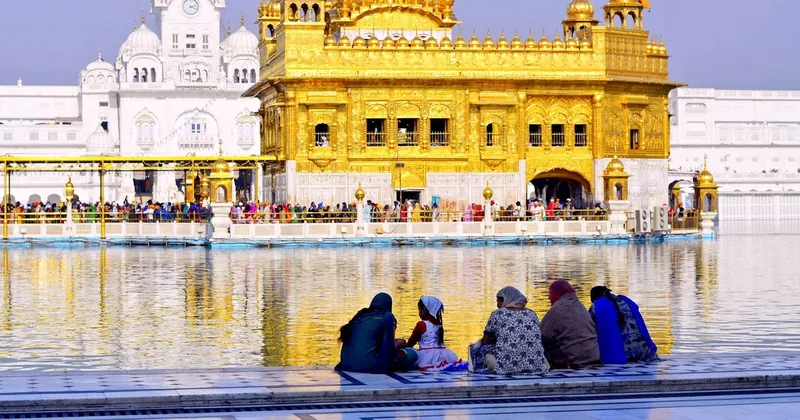
- The pool: the sarovar is a holy pool for a ritual dip at the designated steps, not a place to swim. Devotees take a short dip there, and visitors are asked not to pollute the water.

Is the Golden Temple safe for women, families and solo travellers?
Yes. Women, families and solo travellers of every faith visit every day and every night. Everyone follows the same simple rules, sits in the same rows in the langar and can ask any sewadar for help.
- Women travellers: many women visit on their own. Dress modestly with shoulders and legs covered, and cover your head with a scarf, as everyone does. In the langar, women and men sit side by side in the same rows. Outside the complex, the usual big-city care applies: use a known driver at night and keep your plans to yourself.
- Families: children are welcome and common. Hold small hands in the queue, agree on a meeting point, and put a phone number in your child's pocket. The heat and the long queue are harder on children than on adults, so a walk around the pool and a meal in the langar is often enough.
- Solo travellers: the temple is an easy place to be alone. You can sit on the marble for as long as you like, and nobody will hurry you. Guided walks meet near the temple and add company as well as the stories.
- Older visitors: the walkway is flat, but there are steps down from each entrance, and the barefoot distance adds up. Sit and rest whenever you need to.

The temple after dark with a guide who points out the photo spots and explains Sikh customs, then the old bazaars and a taste of local food. Rated 4.9 from 15 reviews, meeting on Heritage Street near Jallianwala Bagh.
Explore the Golden Temple night walkHow many attacks were there on the Golden Temple?
Sources count them differently, so there is no single number. The shrine was destroyed in the 18th century and rebuilt, and the complex saw military operations in 1984, 1986 and 1988.
The best known is Operation Blue Star in June 1984, during which the Akal Takht was heavily damaged; the community later rebuilt it. Today the complex is a place of daily prayer, open to visitors of every faith at every hour. If you want to understand this history, a guide can explain it with care, and it is appreciated if you ask about it quietly, away from the prayers.
How do you avoid room-booking scams near the Golden Temple?
Book rooms in the SGPC pilgrim guest houses only on SGPC's own booking website, sgpcsarai.com. SGPC warns visitors to book only through its own website, and devotees have still been cheated by people offering rooms by phone or in person.
SGPC runs several guest houses (sarais) around the complex, including Sri Guru Ram Das Niwas, with ordinary, geyser and air-conditioned rooms. The New Akal Rest House keeps a few rooms for foreign tourists. Rooms are allotted first come, first served, and online booking is possible only on sgpcsarai.com; general information is on sgpc.net. Websites with 'Golden Temple' in their name are not necessarily official, and some are private sites.
- Ignore anyone at the station or on Heritage Street who offers to 'arrange' a sarai room.
- Do not send money to a phone number or a messaging account for a room.
- For a private hotel, book through a site with reviews and a clear cancellation policy.
Is it safe to go to the Golden Temple at night?
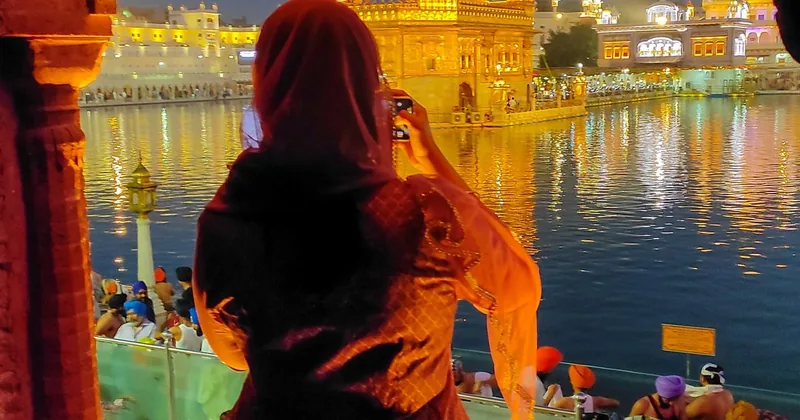
Yes. The complex never closes, the walkway is lit and busy at every hour, and many visitors find night the most peaceful time. Plan how you get back before you go, especially from the airport or after midnight.
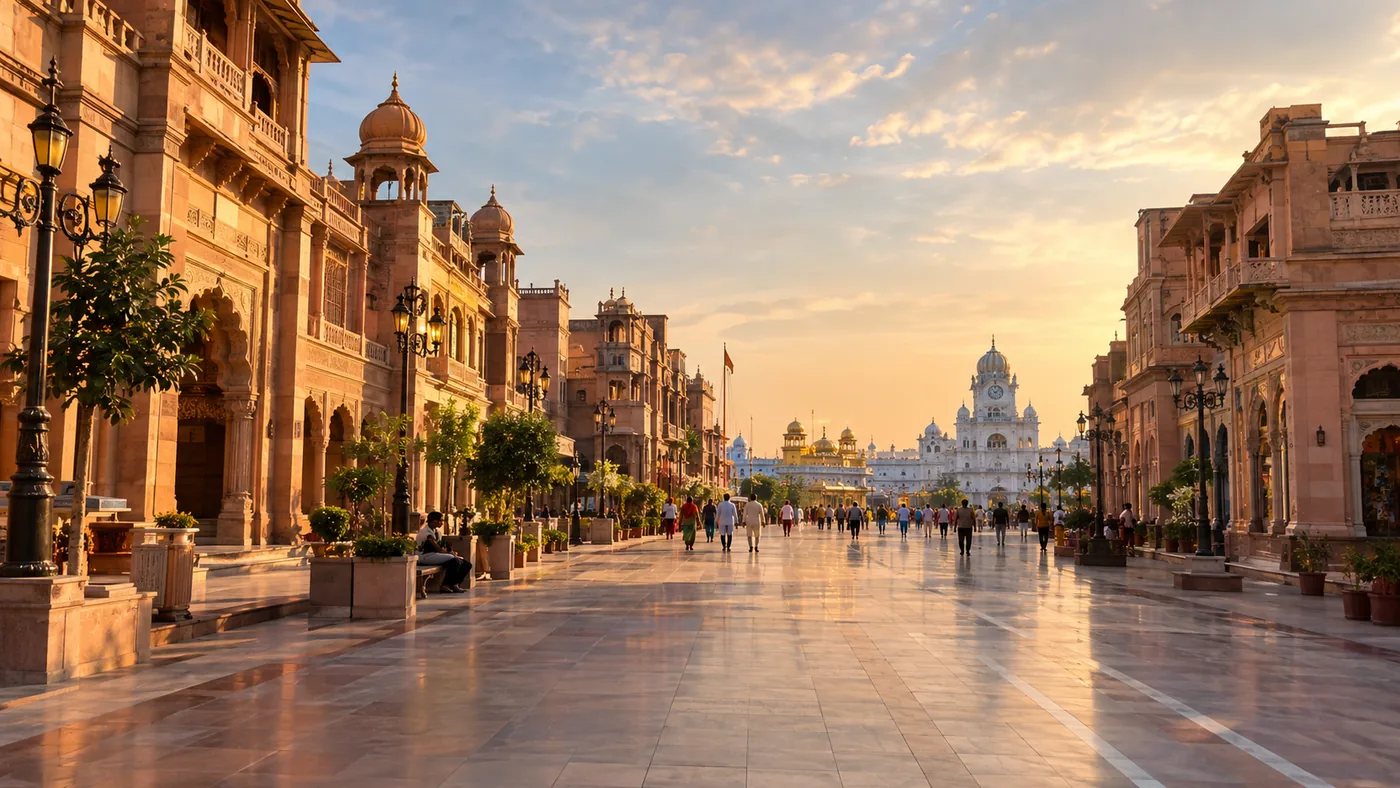
Heritage Street, the pedestrian avenue to the main entrance, is lit and lively until late, and cars and rickshaws stop before it, so the last stretch is on foot. SGPC has run round-the-clock shuttle buses for devotees between the railway station, the inter-state bus terminus and the temple since 2017; ask at the station whether they are running when you arrive. Auto-rickshaws and e-rickshaws serve the old city. The airport is about 11 km from the city centre, and there is no direct public bus to the temple, so book a taxi through your hotel for a late arrival.
The easiest night plan is to stay close to the temple, in an SGPC guest house or a hotel in the old city, so you can walk to the dawn procession or back after the night ceremony. The night ceremonies are described in what happens at 3 am and at night. If you prefer company on a first evening, the Golden Temple night walk and the two-hour daytime walk both meet near the temple, and the private Amritsar day includes a car and pickup, with some guests visiting the temple by day and by night.
Frequently asked questions
Is Amritsar safe for foreign tourists?
Yes. The temple, Jallianwala Bagh, the Partition Museum and the old city are busy, welcoming places outside the border advisory zone. Take the usual big-city care with valuables and night transport, and check your government's advice before visiting the border.
Is it safe to go to the Wagah border ceremony?
The ceremony is held daily around sunset, in a scaled-down form, and draws large crowds. It lies inside the 10 km strip that the UK and US governments advise against, so check your own government's advice and your travel insurance before you go.
Can you swim in the pool at the Golden Temple?
No. The sarovar is a holy pool. Devotees take a short ritual dip at the designated steps, and everyone is asked to keep the water clean. It is not a place for swimming.
Who do I ask for help inside the Golden Temple?
Any sewadar (volunteer), or a member of the SGPC task force on the walkway. They manage the queues and the shoe counters and are used to helping visitors who are lost or unwell.
Ready to book
Choose your tour
Check your date and the live price on GetYourGuide; the refund terms are shown on each option.

Golden Temple & Jallianwala Bagh Walk
- A guided walk around the Golden Temple complex
- The Akal Takht and the story of the Sikh Gurus
- The langar kitchen behind the scenes
Private Golden Temple & Amritsar Day
Your own guide and car for the temple, the langar kitchen, Jallianwala Bagh and the border

Golden Temple, Jallianwala Bagh & Wagah Day
- The Golden Temple with a guide, including the langar kitchen
- Jallianwala Bagh, a short walk from the temple
- The Beating Retreat ceremony at the Attari-Wagah border